
Author: Tony Bartlett

-

Why Scuba Divers Roll Backwards: The Safety and Practicality of the Backward Diving Technique
Scuba divers often choose to dive backwards for safety reasons, as it allows for easy gear management and reduces the risk of mask loss and entanglement. Why do scuba divers dive backwards? Scuba divers dive backwards for many good reasons. It’s a safe way to get into the water. This way, they know where their…
-

Can You Scuba Dive Alone: Is Solo Scuba Diving Safe and Legal?
Are you a scuba diving enthusiast wondering if it’s possible – and safe – to take the plunge alone? Despite the thrill, solo diving comes with significant risks and requires more than just an adventurous spirit. This blog aims to help guide your decision by discussing safety precautions, legal implications, and essential training required for…
-

What Does SCUBA Stand For? Exploring the Acronym and Its Meaning in Diving
Ever wondered what the acronym SCUBA stands for? You’re not alone! In diving lingo, it refers to Self-Contained Underwater Breathing Apparatus, but there’s much more behind this simple term. Not only will we dive into the fascinating origins and evolution of SCUBA equipment but also shed light on some popular diving destinations. Ready to plunge…
-

How Soon Can You Scuba Dive After Flying: A Guide
To stay safe, it’s generally recommended to wait 18-24 hours after scuba diving before flying. This waiting period allows your body to eliminate excess nitrogen and reduces the risk of decompression sickness. Different organizations may have slightly different recommendations, but following these guidelines helps ensure your health and safety when combining diving and flying. Remember…
-
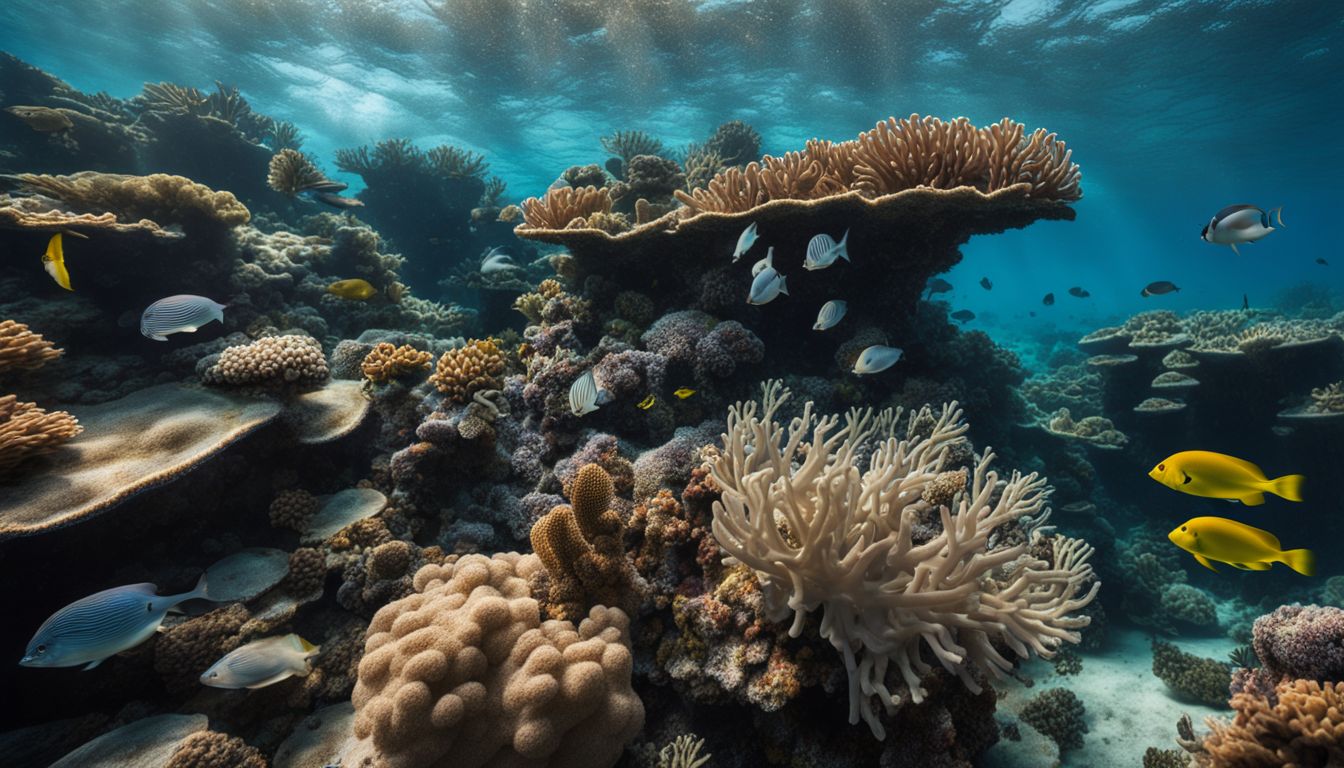
How Long After Scuba Diving Can You Fly? Guidelines and Risks Explained
Diving into the depths and exploring the underwater world is an exciting adventure for many. However, a common question among divers is: How long do I need to wait before flying after a dive? This article will give you clear guidelines from respected diving organizations and explain potential risks involved with flying too soon after…
-

Exploring the Options for Novice Divers: Can You Scuba Dive With No Experience?
The Red Sea in Egypt is a great spot for scuba diving. It offers clear waters and mild weather all year long. You will see bright fish, coral reefs, and even old shipwrecks! It suits beginners well as there are plenty of shallow areas to practice in. There’s no need to worry about big waves…
-

What Scuba Certification Do I Need? A Guide to Choosing the Right Certification Level
Diving into the world of undersea exploration can seem daunting, especially when deciding which scuba certification to pursue. With a myriad of options offered by organizations like PADI, SSI or NAUI, making the right choice becomes significantly important. This article simplifies your decision-making process and guides you through understanding different certification levels, how to choose…
-
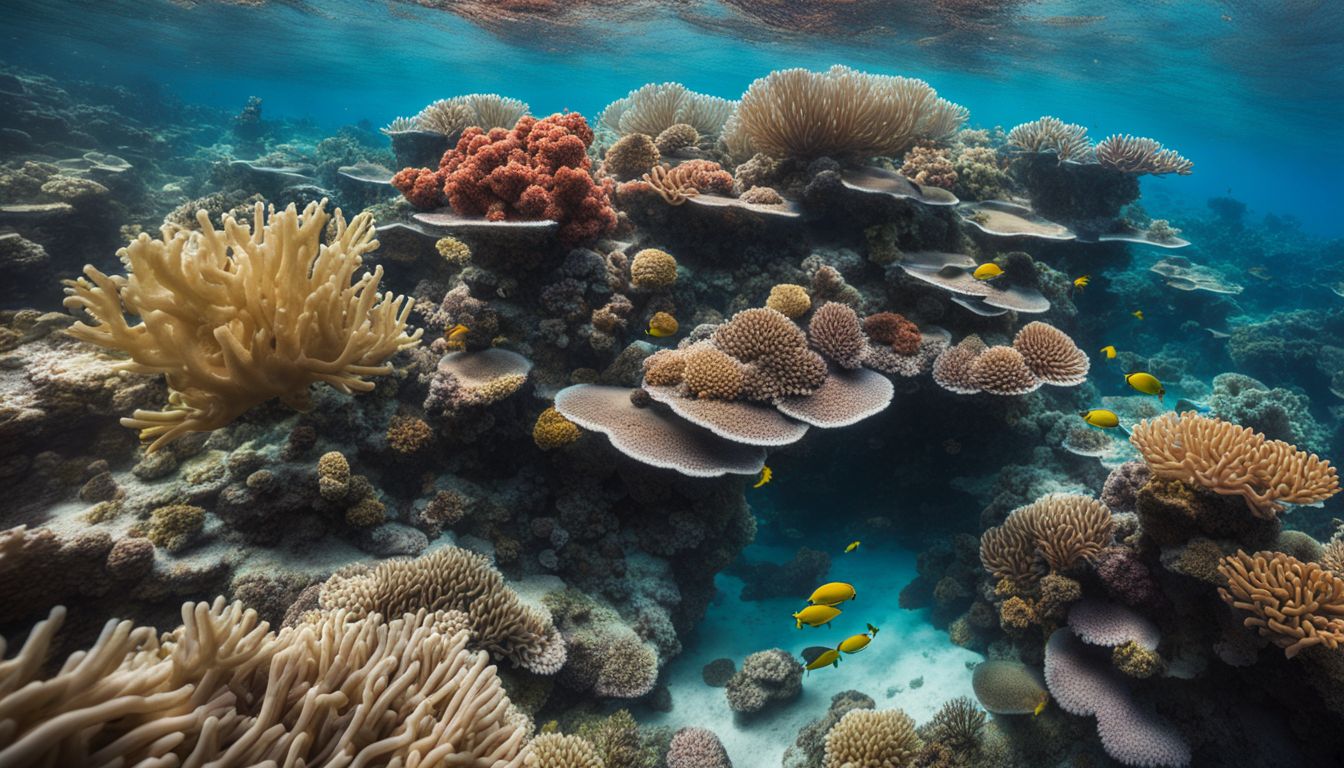
Can You Get Scuba Certified Online? A Comprehensive Guide to Earning Your Scuba License Remotely
Online scuba courses are a great way to learn. They take you through every step of diving. The first part is getting the book knowledge. This can be done on your computer at home or anywhere with internet access. You will learn about all the gears, how to use them, and safety rules too! Once…
-

How Much Do Scuba Instructors Make? Understanding the Salary Range and Factors Affecting Income
Getting the scoop on scuba instructor salaries can be a confusing dive into varying statistics. Did you know that an average US-based scuba instructor makes about $50,429 annually? This blog post will clarify these waters by breaking down salary ranges and highlighting factors that impact earnings. Get ready to plunge deep into this money-making guide…
-

How Much Are Scuba Diving Lessons and What Can You Expect to Pay?
Exploring the underwater world through scuba diving can be exhilarating, but understanding its costs may seem daunting. From getting certified to hiring or purchasing equipment, multiple factors contribute to the overall expenditure of this aquatic adventure. This blog aims to unravel these costs for you in easy-to-understand terms and offers insight on budgeting effectively for…